
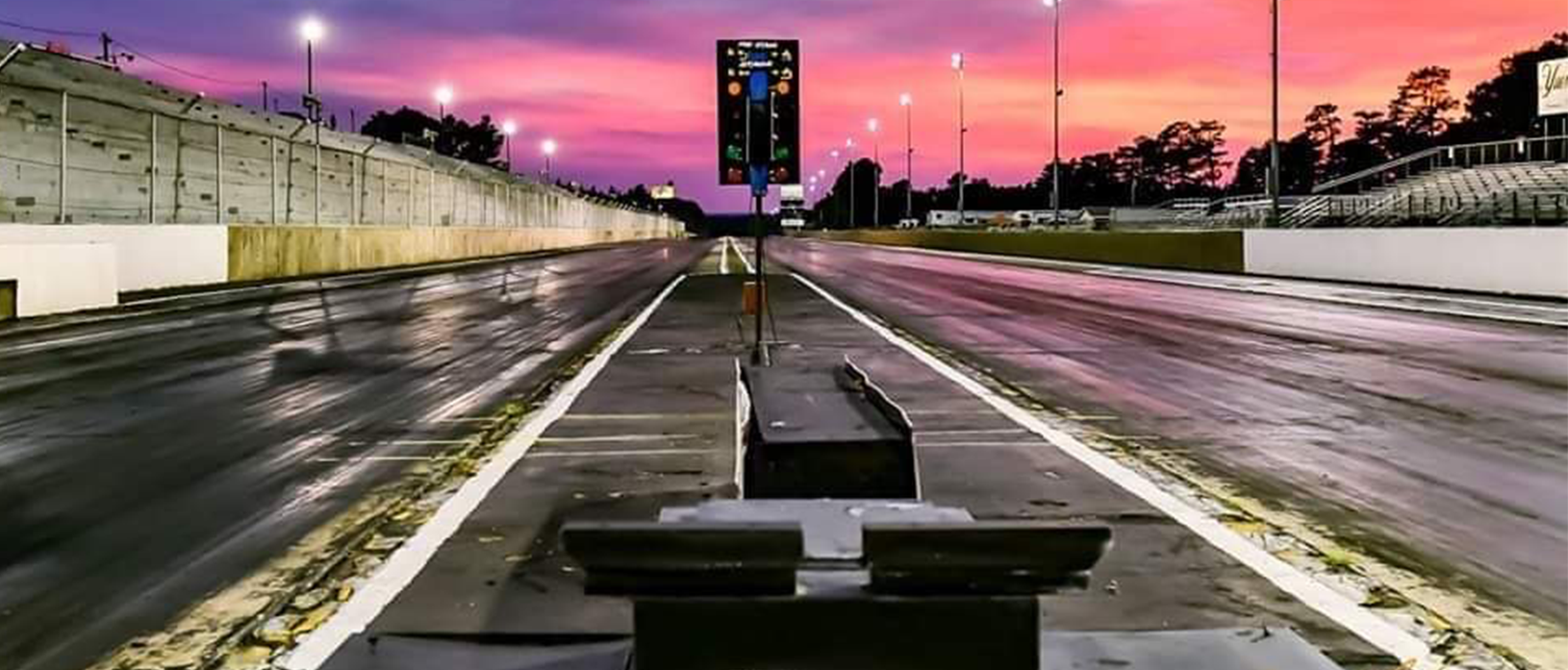
The drag strip stands as one of the purest expressions of speed and competition in the world of motorsports. Unlike winding race circuits or endurance tracks that test long-term strategy, a drag strip focuses on a single, explosive objective: acceleration. From the roar of engines to the anticipation felt by spectators lining the sidelines, the drag strip represents a place where engineering, courage, and precision meet in a brief but unforgettable moment of motion.
At its core, a drag strip is a straight racing surface designed specifically for head-to-head acceleration contests between vehicles. Drivers line up side by side, engines vibrating with power, waiting for the signal that releases them into a burst of controlled chaos 拖板. The simplicity of the concept is what makes it so compelling. There are no complex turns or extended laps. Success depends entirely on reaction time, traction, mechanical balance, and the driver’s ability to harness raw horsepower within seconds.
The origins of the drag strip trace back to enthusiasts who sought safe alternatives to illegal street racing. Early automotive fans gathered on unused airfields or long stretches of open road, eager to measure performance and bragging rights. Over time, communities recognized the need for organized venues where racers could compete under regulated conditions. The modern drag strip emerged as a solution, transforming spontaneous competitions into structured sporting events that prioritized safety and fairness.
A typical drag strip is carefully engineered to maximize both performance and security. The racing surface is prepared with specialized materials that enhance tire grip, allowing vehicles to launch without losing control. Barriers and runoff areas protect drivers and spectators, while timing systems measure performance with extraordinary precision. Every detail, from the alignment of staging lights to the texture of the asphalt, contributes to creating an environment where speed can be explored responsibly.
One of the most iconic features of any drag strip is the starting light system, often referred to as the racing tree. This sequence of lights builds tension as drivers prepare to launch. Reaction time becomes just as important as engine power. A perfectly tuned car can still lose if the driver hesitates even slightly. The moment the final light flashes green, the race transforms into a test of instinct and preparation.
The vehicles that compete on a drag strip vary widely, reflecting the diversity of automotive culture. Some racers bring heavily modified street cars, representing personal creativity and mechanical experimentation. Others compete with purpose-built machines engineered solely for acceleration. These specialized vehicles showcase cutting-edge technology, lightweight construction, and engines capable of producing astonishing levels of power. Despite their differences, all competitors share a respect for the strip and the traditions surrounding it.
Beyond the machines themselves, the drag strip fosters a strong sense of community. Mechanics, drivers, families, and fans gather not only to watch races but also to exchange knowledge and celebrate shared passion. Conversations about engine tuning, tire pressure, and racing techniques flow naturally through the pit area. For many participants, the social connections formed at the drag strip are just as meaningful as the races themselves.
The atmosphere at a drag strip event carries a unique energy. The smell of fuel blends with the sound of revving engines, creating an immersive sensory experience. Spectators feel the vibration of cars launching from the starting line, a physical reminder of the immense forces involved. Each race lasts only moments, yet those moments hold intense emotional weight. Victory and defeat arrive almost instantly, making every run feel dramatic and decisive.
Safety plays a central role in the evolution of the drag strip. As vehicles became faster and more powerful, organizers introduced stricter regulations and protective equipment. Drivers wear specialized suits and helmets designed to withstand extreme conditions. Track officials inspect vehicles carefully before allowing them to compete. These measures ensure that racers can push limits while minimizing risk, reinforcing the drag strip’s transformation from informal racing grounds into professional sporting arenas.
Technology continues to shape the future of the drag strip. Advances in engine management systems, tire design, and aerodynamics allow racers to achieve greater consistency and performance. Data analysis has become an essential tool, helping teams refine launches and improve reaction times. Even electric vehicles have begun appearing on drag strips, demonstrating that the pursuit of acceleration extends beyond traditional fuel-powered engines.
The drag strip also serves as an educational environment. Young enthusiasts often learn mechanical skills by participating in grassroots racing programs. Working on a vehicle teaches problem-solving, patience, and teamwork. Many professional racers began their journeys at local drag strips, gaining experience and confidence through community-supported events. This pathway keeps the culture alive by inspiring new generations to engage with motorsports responsibly.
Culturally, the drag strip represents more than competition; it symbolizes freedom and expression. Car customization allows drivers to showcase personality through design, sound, and performance choices. Each vehicle tells a story about its builder, reflecting countless hours of experimentation and dedication. The strip becomes a stage where individuality meets shared tradition, creating a dynamic balance between personal achievement and collective celebration.
Environmental awareness has also influenced modern drag strip operations. Some facilities explore quieter technologies, improved fuel efficiency, and sustainable event practices. These efforts demonstrate how the sport adapts to changing expectations while preserving its essence. Innovation ensures that drag racing remains relevant without losing the excitement that defines it.
The appeal of the drag strip lies partly in its accessibility. Spectators do not need deep technical knowledge to enjoy the spectacle. The concept is instantly understandable: two vehicles, one straight path, and a clear winner. Yet beneath that simplicity exists remarkable complexity involving physics, engineering, and human psychology. This layered experience attracts both casual fans and dedicated experts.
As motorsports continue evolving, the drag strip maintains its timeless attraction. It celebrates acceleration in its purest form, reminding audiences of humanity’s fascination with speed and competition. Whether experienced through the thunder of engines or the quiet anticipation before a race begins, the drag strip captures a universal thrill that transcends generations.